When AI Meets Studio Ghibli: A New Era or a Cultural Dilemma?
What happens when cutting-edge AI tools collide with the beloved artistry of Studio Ghibli? Dive into the debate that’s reshaping art as we know it.
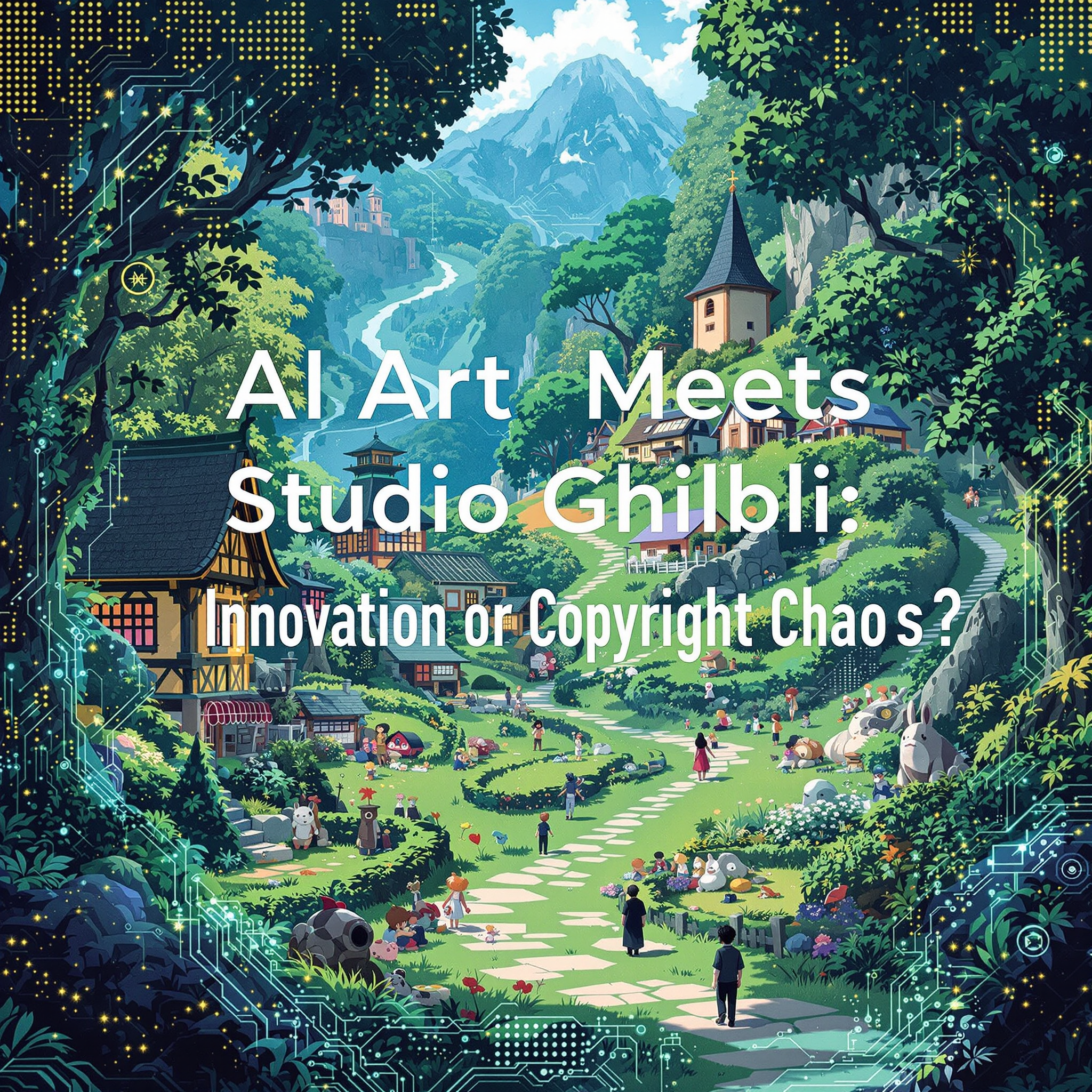
AI-generated art has unlocked new possibilities, allowing users to transform personal photos into enchanting Studio Ghibli-inspired animations using platforms like ChatGPT and Grok. While the technology dazzles with its ability to emulate Ghibli’s dreamy style, it has also sparked a cultural and ethical debate. Can AI honor the soul of hand-drawn masterpieces, or does it risk trivializing the artistry of creators like Hayao Miyazaki, who famously described AI-generated content as "an insult to life itself" (India Today)?
This tension between innovation and tradition isn’t just philosophical—it’s reshaping how we think about the future of art. As AI democratizes creativity, it also confronts us with difficult questions about the boundaries of technology, intellectual property, and respect for human artistry.
Privacy and Personalization: The Hidden Cost of Uploading Your Photos
Would you trust AI platforms with your personal data? Discover the privacy risks lurking behind those Ghibli-style animations.
Uploading personal photos to AI platforms may seem harmless, but it often comes with hidden costs. When users submit their images to tools like ChatGPT or Grok, they’re sharing sensitive data, including facial features and other biometric identifiers. Privacy advocates warn that such data could be used to train AI models or even exploited for purposes beyond the user’s control (Hindustan Times).
While some platforms claim to implement safeguards, questions remain about transparency and compliance with regulations like GDPR. Developers must prioritize robust privacy measures and communicate clearly how user data is handled to maintain trust in these tools. For users, understanding the risks and limitations of voluntarily submitting personal photos is key to protecting their digital privacy.
Who Owns the Art? The Murky Waters of Copyright in AI Creation
If an AI generates an artwork inspired by Studio Ghibli, who holds the rights? Learn why the legal landscape remains frustratingly unclear.
AI-generated art occupies a legal grey area, especially when it mimics recognizable styles like Studio Ghibli’s. Does the copyright belong to the user, the AI tool’s developer, or the original artists whose work inspired the style? Current laws struggle to address this complexity, leaving artists and developers uncertain about intellectual property boundaries (OpenTools).
This ambiguity is fueling calls for legal reform. Clear guidelines are needed to define ownership in cases where AI tools play a significant role in creation. Without these reforms, disputes over copyright could escalate, leaving artists and AI creators alike vulnerable to litigation. For developers, establishing ethical copyright policies could help bridge the gap until legislation catches up.
Ethics vs. Innovation: Can AI Respect Human Creativity?
Does AI-generated art democratize creativity—or devalue it? Explore the ethical tug-of-war between technology and tradition.
AI tools like ChatGPT and Grok have made art creation accessible to millions, but the rise of AI-generated art poses ethical challenges. By replicating iconic styles, these tools risk undermining the originality and livelihoods of human artists who rely on their unique creativity (Movavi). The ability to mass-produce art could also dilute cultural diversity and devalue the painstaking work behind traditional art forms.
On the other hand, advocates for AI art argue that it democratizes access to creative tools, empowering users who might otherwise lack resources to explore artistic expression. Striking a balance between innovation and respect for human artistry requires thoughtful dialogue between developers, artists, and cultural stakeholders.
Looking Forward: How Developers Can Shape a Responsible Future for AI Art
The debate isn’t over. Discover practical steps developers can take today to balance innovation with ethics in AI art creation.
As AI-generated art continues to evolve, developers hold the power to shape its future responsibly. Here are a few key actions they can take:
- Prioritize Privacy: Implement stringent privacy protections to ensure user data is safeguarded and used transparently. This builds trust and compliance with regulations like GDPR.
- Respect Copyright: Develop clear policies that honor the intellectual property of artists while defining ownership rights for AI-generated content.
- Engage in Ethical Dialogue: Collaborate with the artistic community to understand the impact of AI tools on human creativity and livelihoods. Open conversations can lead to better practices.
- Advocate for Legal Reform: Push for updated laws that address the unique challenges posed by AI-generated art. This includes frameworks for ownership, attribution, and compensation.
By taking these steps, developers can foster a future where AI-generated art complements human creativity rather than overshadowing it. The goal should be to create tools that inspire innovation while respecting the artistry that makes styles like Studio Ghibli so beloved.